

Speech-Language Pathology
Speech pathologists serve individuals, families, groups and the general public through work to prevent and treat disabilities involving speech, voice, language, communication and swallowing. Services provided by the speech pathology staff at Meadville Medical Center include the assessment, diagnosis, treatment, and follow-up services for pediatrics, adults and geriatrics in the following areas. Contact us at: 814-333-5214 to make an appointment.
Speech Therapy Service Areas Include:
- Speech: Includes disorders of articulation
- Language: Includes developmental and acquired disorders of receptive and expressive communication skills.
- Fluency: Includes disorders related to stuttering, cluttering, and overall rate of speech.
- Swallowing Disorder/Dysphagia: Difficulty with chewing or swallowing. Diagnostic testing may include a Modified Barium Swallow (MBS).
- Cognitive Aspects of Communication: Includes cognitive disorders associated to language such as memory, thought organization, attention, and processing of information.
- Voice Disorders: Includes impairments related to vocal performance such as pitch, volume, breath support, vocal hygiene. An ENT diagnosis is required prior to treatment for voice therapy. The Computerized Speech Lab is one of the diagnostic tools used in assessment and treatment process.
- Social Aspects of Communication: Ineffective social skills, lack of communication opportunities, poor interactive skills.
- Family/Caregiver Education: related to communication and swallowing disorders.
- Alternative Communication Techniques: Includes identifying the most optimal means of communication such as communication devices and aids and/or gesturing/sign language.
Pediatric Speech Therapy
Pediatric speech therapy services are available Monday through Thursday 8 a.m. to 6:30 p.m.
Our speech-language pathologists provide evidence-based pediatric services to promote communication and independence. Honing these skills can increase children’s confidence for communicating with family, friends, teachers, and peers. The benefits of speech therapy for children will not only increase speech/language development, but will also support other early educational skills and develop confidence for expression of their wants and needs.
Specialty Areas
- Autism Spectrum Disorder (ASD)
- Down syndrome
- Apraxia
- Articulation/phonological disorders
- Receptive language
- Expressive language
- Fluency
- Voice
- Augmentative and Alternative Communication (AAC)
- Reading comprehension
- Auditory processing disorders
- Feeding and swallowing disorders
What to look for by age:
Age 3
- Is your child naming their colors, toys, foods, etc?
- Do they consistently say words with the letters m, n, p, b, k, g, t, d, and w?
- Is their speech understood in approximately 70% of opportunities by people they know?
Age 4
- Is the child able to follow single-step directions, e.g., “get your shoes”?
- Do they understand locational terms including, in, on, under, and over?
- Do they say the sounds in the beginning, middle, and end of words?
Age 5
- Is the child saying sentences 5+ words in length and are they able to be understood by all listeners?
- Do they ask questions to get information and are they “wh” questions, e.g., who, what, when, where, why?
- Do they say “I want” instead of “me want”?
Age 6
- Are they able to say all of their sounds in words including “r” and “th”?
- Are they able to read simple words like “cat” and identify the sound each letter makes?
Activities and Games
Following a thorough assessment and parent/guardian interview, the speech language pathologist will determine the best treatment approach. Approaches may include activities such as:
- Stories
- Crafts
- Games
- Play therapy
- Picture boards
- Parent training
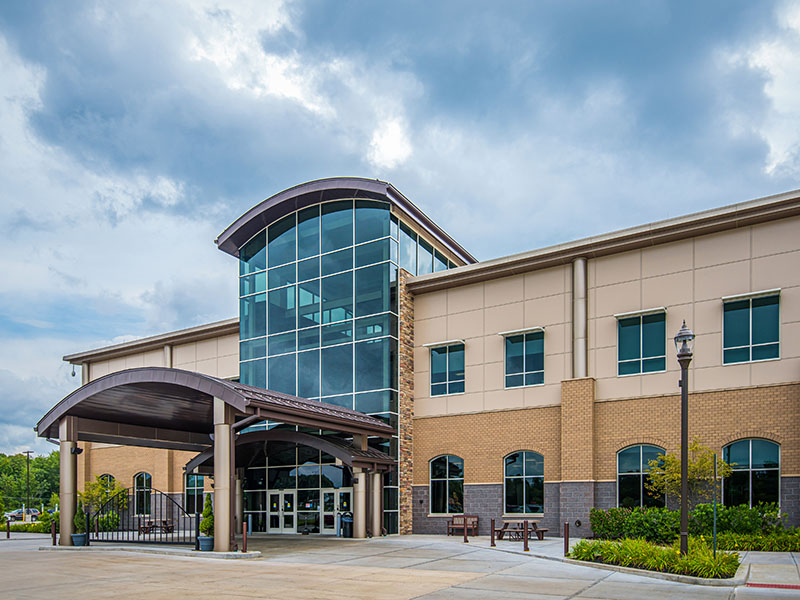
Speech Therapy Location
