Recovery is a Community Effort

Share this Article

Author: Mary Serra, LSW

Recovery does not happen in isolation. When we think about recovery, it is easy to picture one person making the decision to change their life. Although they are the ones who need to make that decision, how we support them in recovery can make a world of difference. 

Behind many people in recovery is a family member, friend, coworker, neighbor, sponsor, counselor, or someone who simply chose to care.

Recovery Really Is a Community Effort

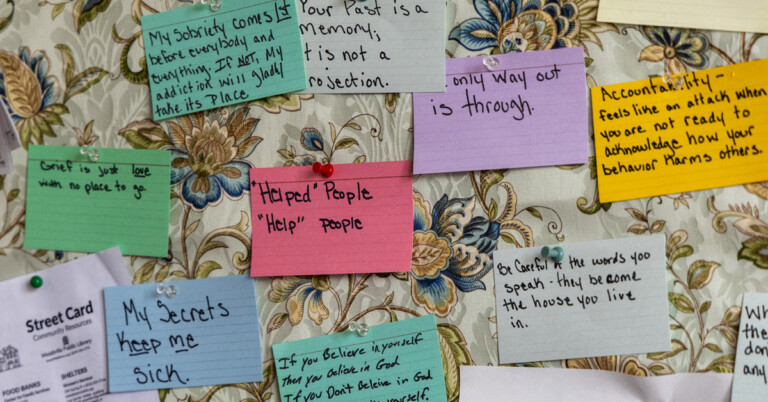
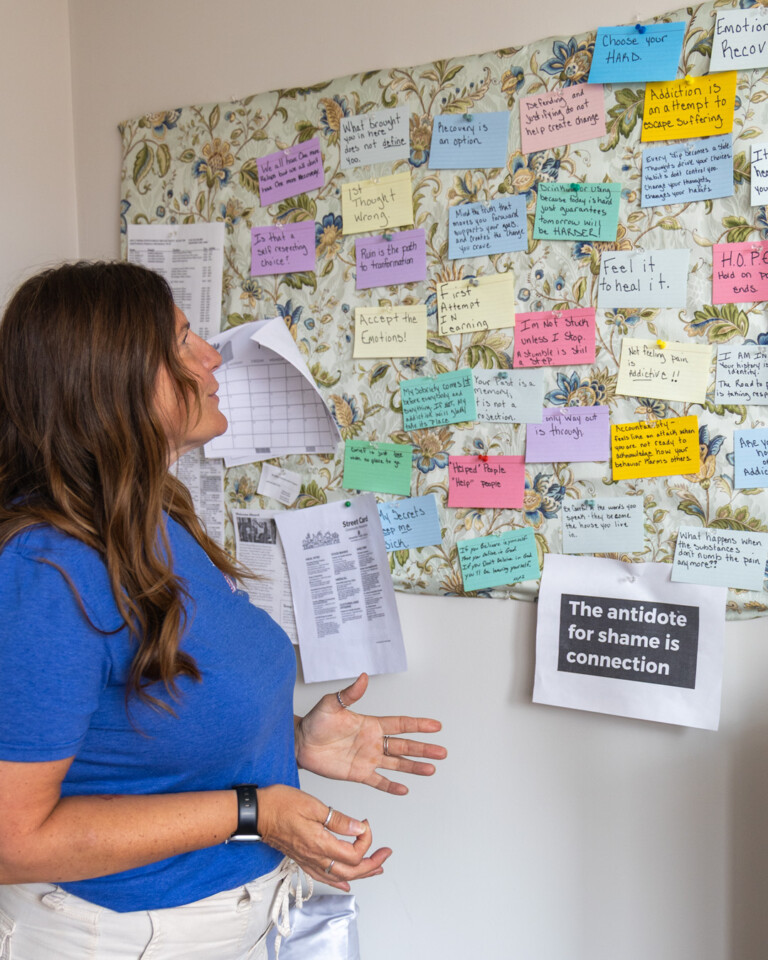
Bulletin board in author and counselor, Mary Serra's office with statements from patients in recovery
Words matter, especially when they help recovery patients sort out their thoughts with counselors.

One of the most important things we can offer someone struggling with substance use is compassion. That doesn’t mean ignoring unhealthy choices or pretending everything is okay. It means remembering that a person is more than their addiction, their mistakes, or the worst thing they have ever done.

People with substance use disorders often face judgment and stigma and battle with their own guilt and shame. They may be labeled, misunderstood, or made to feel ashamed of asking for help. According to the CDC, stigma can make it harder for people with substance use disorders to seek treatment and can contribute to isolation.

Why the Words We Use Matter

There is a difference between saying, “He’s an addict,” and saying, “He’s a person struggling with a substance use disorder.” One defines someone by their addiction. The other recognizes that there is a person behind the struggle.

Sometimes compassion is as simple as saying:

“I’m glad you told me.”

“I don’t judge you.”

“How can I support you?”

Those words may seem small, but they can mean a great deal to someone who already feels alone.

Recovery is Different for Everyone

Recovery also looks different for everyone. For some, it may involve counseling, medicated assisted treatment, peer support, a 12-step program, family support, or a combination of different approaches. SAMHSA describes recovery as a personal process that is supported by relationships, community, and hope.

Recovery is so much more than simply stopping the use of drugs or alcohol. It can mean rebuilding relationships, finding purpose, returning to work or school, learning healthier ways to cope, and discovering how to enjoy life without substances. Change is hard for all of us. Sometimes it is not just a matter of stopping use of the substance, but creating and doing something new with our lives.

So, What Can We Do?

  • We can listen instead of judge.
  • We can learn instead of assume.
  • We can encourage treatment instead of shame.
  • We can celebrate progress instead of focusing only on past mistakes.


And we can remind people that their past does not have to determine their future!

You Can Make Recovery Happen

Counselor, Mary Serra, LSW explains the purpose of the board in her office with statements that help recovery patients.
Counselor, Mary Serra, LSW reminds us that small gestures and compassion from people outside of her profession can make a positive impact on a person's recovery efforts.

You don’t have to be a counselor or recovery professional to make a difference. Sometimes simply being the person who treats someone with dignity and reminds them that recovery is possible is enough. Recovery may begin with one person’s decision to change, but it is strengthened by the people around them. When we create communities where people feel supported rather than judged, we make it a little easier for someone to take that first step—or to take the next one.

Because no one should have to believe that they are alone in recovery.

Find Support from Stepping Stones

The Stepping Stones program at Meadville Medical Center offers both inpatient detoxification and rehabilitation as well as outpatient treatment for substance use disorders. The program not only treats the individual struggling with drug and alcohol abuse, but family counseling and education services are available as well.

Call for yourself or for a loved one at: 814-333-5811.

References
CDC. (2025). Stigma: Beyond the Numbers. https://www.cdc.gov/stop-overdose/stigma-reduction/stigma-beyond-the-numbers.html Substance Abuse and Mental Health Services Administration (SAMHSA). (2024). About Recovery. https://www.samhsa.gov/substance-use/recovery/about

Continue your journey

Meadville Medical Center logo
Announcements

Crane Operations Part 2 at LSMAB

The second phase of a crane operation project to replace an air handling unit will affect the area around our Liberty Street Medical Arts Building (LSMAB). During this time, the LSMAB parking lots closest to Kennedy Street will be closed.
Read more information
Click to access the login or register cheese