

Aquablation therapy is the only real-time, ultrasound-guided, robotic-assisted, heat-free waterjet for the treatment of benign prostatic hyperplasia (BPH). At Meadville Medical Center, we are proud to offer this advanced, minimally invasive treatment. The HYDROS™ Robotic System is designed to deliver an accurate and consistent treatment plan for better clinical outcomes.
Learn more from Dr. Shane Daugherty in this video about Aquablation!
Aquablation therapy is a resective procedure, which means that the prostate tissue causing symptoms is surgically removed. No incision is made in the abdomen, as the prostate is reached through the urethra.
Aquablation therapy is performed in a hospital. You will be under anesthesia for the entire procedure. The procedure typically takes an hour and may involve an overnight stay.
There are two key steps to the Aquablation therapy procedure:
Every prostate is unique in size and shape. Aquablation therapy enables Dr. Shane Daugherty to customize your procedure to your specific anatomy.
How? Aquablation therapy is the only BPH surgical procedure that combines next-generation ultrasound imaging and digital cystoscopy. With the help of ultrasound imaging, Dr. Daugherty can create a detailed guide to plan the procedure, outlining the critical anatomy and suggest an optimal treatment plan for each patient. The tissue within the marked area of the prostate may be removed, while the tissue outside of it may remain untouched. This real-time visualization allows Dr. Daugherty to map which parts of your prostate to remove and which parts to avoid, specifically enabling him to avoid removing areas that could cause irreversible complications like erectile dysfunction, ejaculatory dysfunction, and incontinence.
Once Dr. Daugherty has created a surgical map, a robotic-assisted heat-free waterjet follows the surgeon-defined treatment plan and resects the obstructive tissue. This advanced technology helps ensure precise, consistent, and predictable removal of the tissue across a wide range of prostate sizes and shapes. When required, Dr. Daugherty may use a minimal amount of cautery following an Aquablation therapy procedure to control bleeding.
We know that the primary reason men are delaying surgery is because they are concerned about side effects.4 In fact, a recent survey shows that 85% of men are concerned that surgery will cause incontinence, and 4 out of 5 men are concerned that surgery will have a permanent impact on their sexual function.4
In clinical studies, men who had Aquablation therapy had a very low rate of irreversible complications, such as incontinence, ejaculatory dysfunction, erectile dysfunction.3
Aquablation therapy is a different kind of surgical procedure. There are many reasons it may be right for you, but make sure to discuss with Dr. Daugherty to see if you’re a candidate.
Aquablation therapy has a very low rates of irreversible complications (incontinence, ejaculatory dysfunction, erectile dysfunction) because:1-2
Aquablation therapy is the only procedure that resects prostate tissue with a robotically controlled waterjet, designed to minimize human error.
Aquablation therapy patients on average experienced: 1-3
As with most benign prostatic hyperplasia procedures, you will wake up with a catheter following Aquablation therapy, which allows you to urinate while your urethra heals. The procedure may involve an overnight stay in the hospital. The benefit with Aquablation therapy is that most patients end up leaving the hospital without a catheter.1,2,4
Once you’re home, you may notice for several weeks a mild burning sensation and urinary urgency, a sudden and intense need to urinate that is difficult to hold off. This can be managed with mild pain medication. Patients can resume their normal activities once approved by their doctor.
Please refer to the discharge instructions provided by your surgery team and Dr. Daugherty.

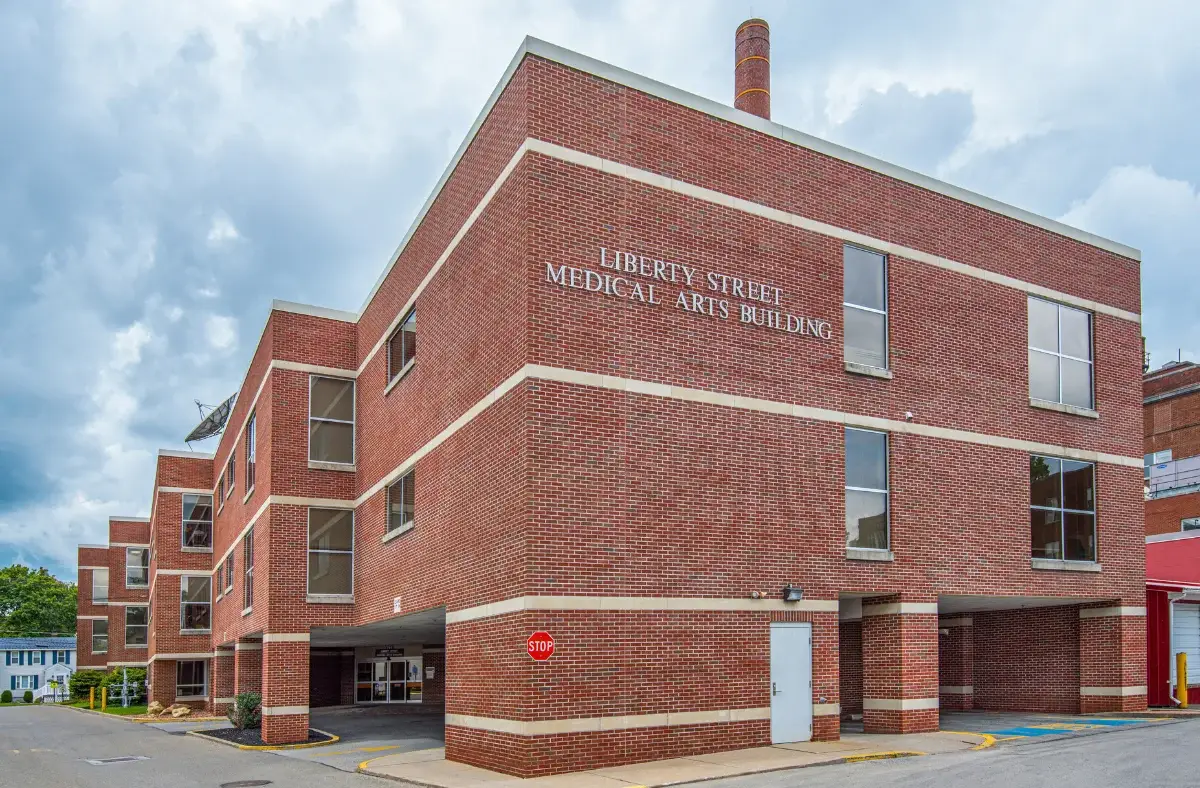
For more information, ask for a consultation with Dr. Shane Daugherty at Meadville Urology, located in Meadville Medical Center’s Liberty Street Medical Arts Building.
1. Gilling PJ, et al. Can J Urol.2022
2. Bhojani N, et al. J Urol. 2023.
3. Elterman D, et al. BMJ Surg Interv Health Technol.
4. Data on file, PROCEPT BioRobotics.